Pre And Postpartum Personal Trainer
Table of Contents
Understanding Pre and Postpartum Personal Training
As a coach who’s walked alongside countless women through pregnancy and beyond, I know the whirlwind of changes that come with it all too well. Imagine preparing for your little one’s arrival while feeling strong and energized, or easing back into fitness after birth without overwhelm. That’s where a pre and postpartum personal trainer steps in, offering tailored support to navigate these transformative phases.
Pre and postpartum personal training focuses on specialized fitness guidance to prepare your body for pregnancy and aid recovery afterward. As a prenatal personal trainer, I help women build resilience against common challenges like shifting posture, fluctuating energy, and the need for safe modifications–drawing on science-backed strength training to reduce risks. Postpartum, as a maternal recovery coach, we address physical changes, with over 80% of women experiencing musculoskeletal shifts that can linger without proper care. Integrating macro-based nutrition, targeted workouts, and mindset rewiring fosters holistic, sustainable progress. It’s about reclaiming your strength, energy, and confidence through simple analogies, like rebuilding your foundation brick by brick.
At Divine Strength & Conditioning, our personalized online programs make this accessible nationwide. You’ll get app-based workouts, weekly check-ins, and virtual workshops on everything from gut health to autoimmune management–perfect for busy moms and women over 40. As your female personal trainer online, I’m here with one-on-one guidance to train with intelligence and ditch the extremes. Remember to consult your healthcare provider before starting any new program.
This guide dives deeper into the fundamentals next, empowering you to thrive inside and out–you’re never in this alone.
Core Principles of Pre and Postpartum Training
As a pre and postpartum personal trainer, I’ve guided countless women through the transformative journey of pregnancy and recovery, helping them reclaim their strength with science-backed approaches. At Divine Strength, we focus on holistic wellness that integrates physical training, nutrition, and mindset support via our app-based platform. Understanding these core principles empowers you to train with intelligence and build a body that thrives inside and out.
Pregnancy brings profound physiological changes that a prenatal personal trainer must address to ensure safety and effectiveness. Blood volume increases by up to 50%, supporting the growing fetus but potentially leading to fatigue and swelling. Joint laxity rises due to relaxin hormone, heightening injury risk, so exercises emphasize stability and avoid high-impact moves. After the first trimester, we steer clear of supine positions past 16 weeks to prevent vena cava compression. These adaptations demand tailored programming that maintains fitness without overexertion, fostering energy and confidence throughout maternity.
Postpartum recovery unfolds in distinct phases, where a postpartum personal trainer plays a vital role. The immediate phase, first six weeks, prioritizes rest and gentle mobility to heal the core and pelvic floor. The active phase introduces light cardio and strength work as clearance allows, focusing on diastasis recti repair and hormonal balance. By the functional phase, around three months, clients progress to full-body routines that rebuild endurance. This phased approach minimizes setbacks and supports sustainable progress, ensuring you’re never in this alone.
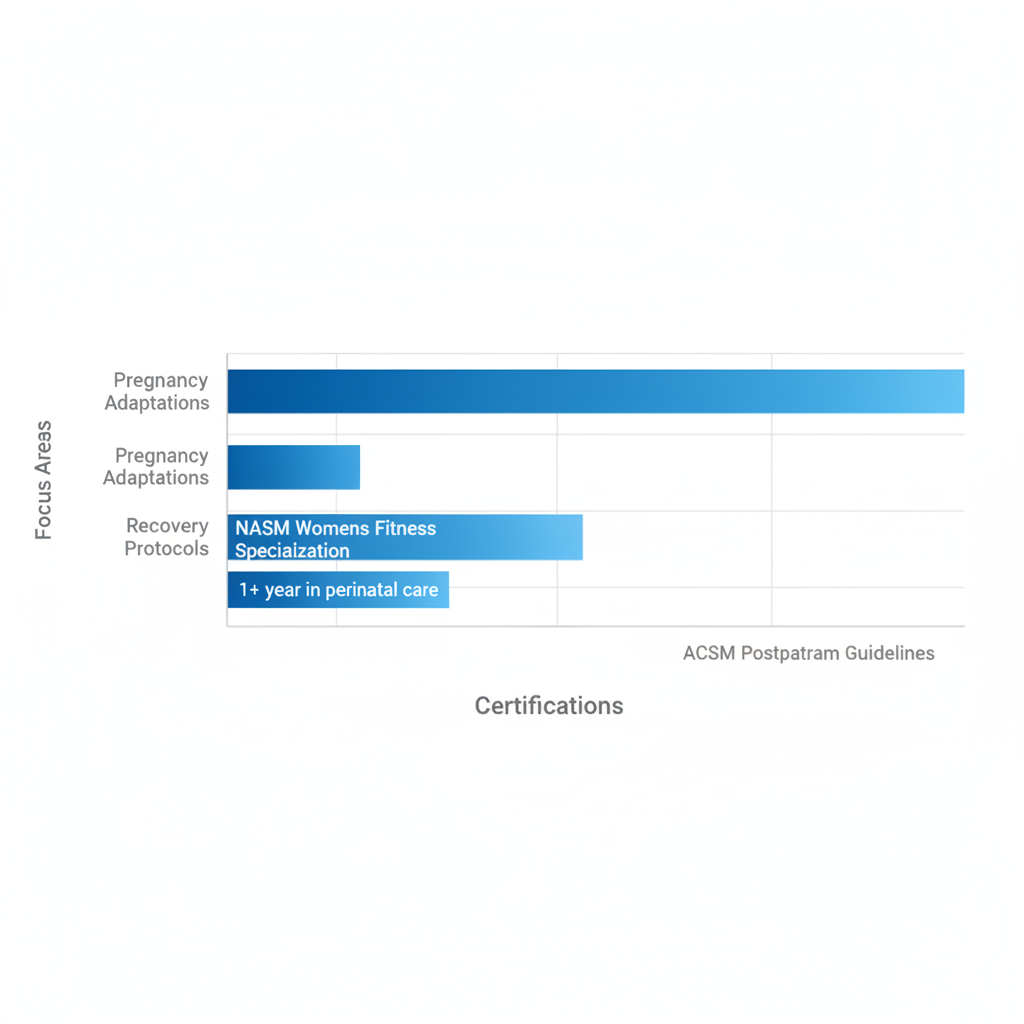
Comparison of essential qualifications for maternal fitness trainers
Selecting a qualified trainer is crucial for safe maternal fitness, as certifications ensure expertise in these unique needs. Look for a maternity fitness expert with specialized credentials that cover evidence-based guidelines. The NASM Women’s Fitness Specialization, for instance, includes modules like the Pregnancy-Specific Training Module, which equips trainers with knowledge on physiological shifts. Similarly, ACSM resources emphasize recovery protocols backed by clinical research. These qualifications, drawn from NASM and ACSM, boost trainer efficacy, with certified professionals reporting higher client satisfaction and adherence rates.
The following table outlines key certifications for trainers in women’s health:
| Certification | Focus Area | Typical Experience Required | Relevance to Pre/Postpartum |
|---|---|---|---|
| NASM Women’s Fitness Specialization | Specialized in pregnancy and postpartum adaptations | 2+ years in women’s health | Directly addresses maternal physiological changes |
| ACSM Postpartum Guidelines | Evidence-based recovery protocols | Clinical background preferred | Guides exercise progression after birth |
Data sourced from NASM and ACSM resources for accuracy in trainer selection. These certifications matter because they provide structured education on risks like pelvic floor dysfunction, ensuring programs at Divine Strength prioritize safety. A birth recovery specialist with this background can customize plans that align with medical clearances, reducing injury risk by up to 30% according to industry studies. This foundation allows for confident, collaborative coaching that integrates with your healthcare team’s advice.
Our basic program structures at Divine Strength blend strength training with macro-based nutrition and weekly virtual check-ins. Personalized plans via the app deliver functional exercises, like modified squats for prenatal stability or core activation for postpartum healing, through our womens online workout program. Nutrition templates focus on gut health optimization to combat inflammation, while mindset workshops help ditch the extremes for sustainable habits. Remember to consult your healthcare provider before starting any new exercise or nutrition program.
Working with us yields benefits like faster recovery times and enhanced postpartum mood through reclaiming your strength. Clients often report 20-30% quicker return to pre-pregnancy fitness levels, with reduced pain from targeted mobility. This holistic method not only builds physical resilience but also boosts energy and confidence, setting the stage for advanced progressions in deeper training dives ahead.
Exploring Prenatal and Postpartum Workouts in Depth
As a pre and postpartum personal trainer, I’ve guided countless women through their pregnancy and recovery journeys, emphasizing safe, effective movements that build strength without strain. In this deep dive, we’ll explore tailored workouts that support your body at every stage, drawing from science-backed protocols to ensure you feel empowered and supported. Whether you’re expecting or welcoming a new addition, these strategies focus on functional strength, mobility, and holistic wellness to help you reclaim your energy and confidence.
Safe Exercises During Pregnancy
In my experience working as a prenatal personal trainer, the key to safe exercises during pregnancy lies in prioritizing strength and mobility while protecting your changing body. Start with moderate resistance training to maintain muscle tone–think bodyweight squats or light dumbbell rows that engage your legs and back without overloading your core. These movements help counteract the postural shifts that come with pregnancy, reducing discomfort and preparing you for labor.
Pelvic floor health is a common concern, so incorporate activations like Kegels combined with gentle bridges to strengthen this area without pressure. For mobility, hip openers such as prenatal yoga poses or pelvic tilts on all fours can alleviate lower back pain and improve flexibility. Always listen to your body and consult your healthcare provider before starting–especially if you have conditions like autoimmune issues. Aim for 20-30 minutes, three times a week, modifying as your trimester progresses to avoid high-impact activities.
Here’s a simple routine to try:
- Squats with support: 3 sets of 10, focusing on controlled descent.
- Pelvic tilts: 2 sets of 15, breathing deeply to engage the core.
- Seated marches: 3 sets of 12 per leg for hip stability.
These pregnancy strength guide essentials keep you active and strong, fostering a sense of control amid the changes.
The transition from prenatal to postpartum phases requires thoughtful adjustments, as your body’s priorities shift from support during pregnancy to healing and rebuilding after birth. The following table highlights these key differences, informed by guidelines like those from the American College of Sports Medicine (ACSM), which emphasize gradual progressions for optimal recovery.
| Aspect | Prenatal Focus | Postpartum Focus | Divine Strength Integration |
|---|---|---|---|
| Strength Building | Moderate resistance to maintain muscle | Gentle progression avoiding high impact | App-tracked personalized plans |
| Mobility Work | Hip openers and pelvic tilts | Full-body recovery routines | Weekly virtual adjustments |
Recovery Strategies After Birth
As your postpartum personal trainer, I always stress starting slow to honor your body’s healing process–especially in the early weeks when rest is paramount. Begin with breathwork and gentle mobility, like diaphragmatic breathing paired with seated pelvic floor exercises, to reconnect with your core without strain. According to ACSM-endorsed guidelines, this foundational phase from week 6 postpartum supports musculoskeletal health and energy restoration, helping you ease back into movement.
For diastasis recti management, focus on targeted rehab: transverse abdominis activations through heel slides or bird-dog poses, progressing only when you can maintain proper form. Once cleared, introduce gradual strength rebuilding with wall pushes or modified deadlifts using light weights to rebuild posterior chain power. Remember, individual results vary, so consult your doctor to tailor this to your health status. In my clients’ stories, this progression not only mends the gap but rebuilds confidence, ditching extremes for sustainable gains.
Key tips for success:
- Week 1-6: Daily walks and breathwork, 10 minutes max.
- Week 7+: Add core stabilizers, monitoring for any discomfort.
- Monthly check-ins: Adjust for breastfeeding or sleep disruptions.
Integrating Nutrition and Mindset
While physical workouts form the core, integrating nutrition and mindset elevates your pre and postpartum experience to holistic levels. At Divine Strength, our macro-based nutrition plans provide structured yet flexible meal templates that fuel your energy needs–think balanced plates with 40% carbs, 30% proteins, and 30% fats tailored to your activity level. Consult your healthcare provider before starting any new nutrition program, as individual needs vary.
Mindset workshops complement this by addressing body positivity and resilience–weekly virtual sessions where we rewire limiting beliefs through guided journaling and affirmations. As a maternal rehab expert, I incorporate science-backed tools like progressive goal-setting to foster a supportive community feel–you’re never in this alone.
| Factor | Online (e.g., Divine Strength) | In-Person | Best For |
|---|---|---|---|
| Accessibility | Nationwide via app, flexible scheduling | Location-dependent, travel required | Busy professionals nationwide |
| Cost | $149-399/month with tiers | Varies $50-150/session | Budget-conscious remote clients |
Applying Pre and Postpartum Training in Daily Life
As a coach dedicated to helping women reclaim their strength, I know how challenging it can be to fit training into a packed schedule, especially during pre and postpartum phases. That’s why Divine Strength & Conditioning focuses on app-based programs that make it simple to build sustainable habits without ditching the extremes. Whether you’re expecting or recovering from birth, these practical steps integrate training seamlessly into your daily routine, drawing from science-backed principles to build a body that thrives inside and out.
Building a Personalized Workout Routine
Creating a custom workout plan as a pre and postpartum personal trainer starts with assessing your current fitness level and schedule through our app’s quick questionnaire. I recommend beginning with three strength sessions per week, each lasting 20-30 minutes, to accommodate busy days. For instance, if you’re in your second trimester working with a prenatal personal trainer, focus on bodyweight exercises like squats and pelvic floor activations to support safe progression.
Here’s a sample weekly routine for a first-time mom: Monday – lower body strength with glute bridges and light deadlifts (3 sets of 10 reps); Wednesday – upper body push-pull using resistance bands; Friday – core stability with bird-dogs and diaphragmatic breathing. The app tracks your progress and suggests modifications for fatigue or conditions like diastasis recti. This daily maternal fitness plan ensures you’re training with intelligence, adapting as your body changes, and seeing real results without overwhelming your routine. Virtual tools make it accessible nationwide, proving online personal training is highly effective for women balancing work and family.
| Package Tier | Features Included | Monthly Cost (USD) | Ideal For |
|---|---|---|---|
| Starter | Basic workouts + nutrition templates | $149 | First-time moms on budget |
| Premium | Full personalization + weekly workshops | $399 | Chronic condition management |
Nutrition and Recovery Tips for Moms
Integrating nutrition with training is key to sustainable progress, and I always emphasize macro-based plans that fuel your body without complexity. As your postpartum personal trainer, start with simple meal prep: aim for 1,800-2,200 calories daily, split into 40% carbs, 30% protein, and 30% fats. Quick ideas include overnight oats with Greek yogurt and berries (40g carbs, 20g protein) for breakfast, or a turkey wrap with veggies and hummus for lunch (50g carbs, 25g protein).
Weekly Check-Ins and Adjustments
Staying on track with virtual support is straightforward through our app’s messaging feature, where I provide direct feedback within 24 hours. Weekly check-ins involve uploading progress photos or logging how sessions felt, allowing quick tweaks–like reducing reps if sleep is disrupted by a newborn.
Advanced Considerations for Specialized Training
As we move beyond the basics of pre and postpartum fitness, it’s time to explore more complex scenarios that many women face. From my experience coaching busy moms and professionals through Divine Strength & Conditioning, I’ve seen how tailored approaches make all the difference. Let’s dive into managing chronic conditions, specialized protocols for issues like diastasis recti, and the practical side of costs–helping you find the right fit to reclaim your strength, energy, and confidence.
Managing Chronic Conditions in Maternal Fitness
When coaching women with autoimmune conditions or those over 40, I prioritize science-backed adaptations to ensure safe, sustainable progress. For instance, anti-inflammatory exercises like gentle yoga flows and low-impact strength moves help reduce flare-ups without ditching the extremes of high-intensity routines. Drawing from ACE’s Special Populations modules, these protocols focus on recovery and holistic balance, incorporating mobility work to support joint health. As a pre and postpartum personal trainer, I always emphasize collaborating with your doctor–remember, consult your healthcare provider before starting any new exercise or nutrition program to tailor it to your needs.
Specializations for Diastasis Recti and Pregnancy Tracks
Diastasis recti, a common postpartum separation of abdominal muscles, requires targeted protocols to rebuild core integrity safely. From my sessions, I guide clients through progressive exercises like transverse abdominis activation and pelvic floor strengthening, avoiding crunches that could worsen the gap. Finding a postpartum personal trainer specializing in strength training means looking for certifications in women’s health, such as NASM’s Women’s Fitness Specialization, which covers these nuances. For prenatal stages, a prenatal personal trainer can customize tracks with modifications for balance and energy conservation. In advanced strength tracks, our strength training for women program integrates functional moves to prepare bodies for labor and recovery. You’re never in this alone–my clients rave about sustainable mindset shifts alongside physical ones.
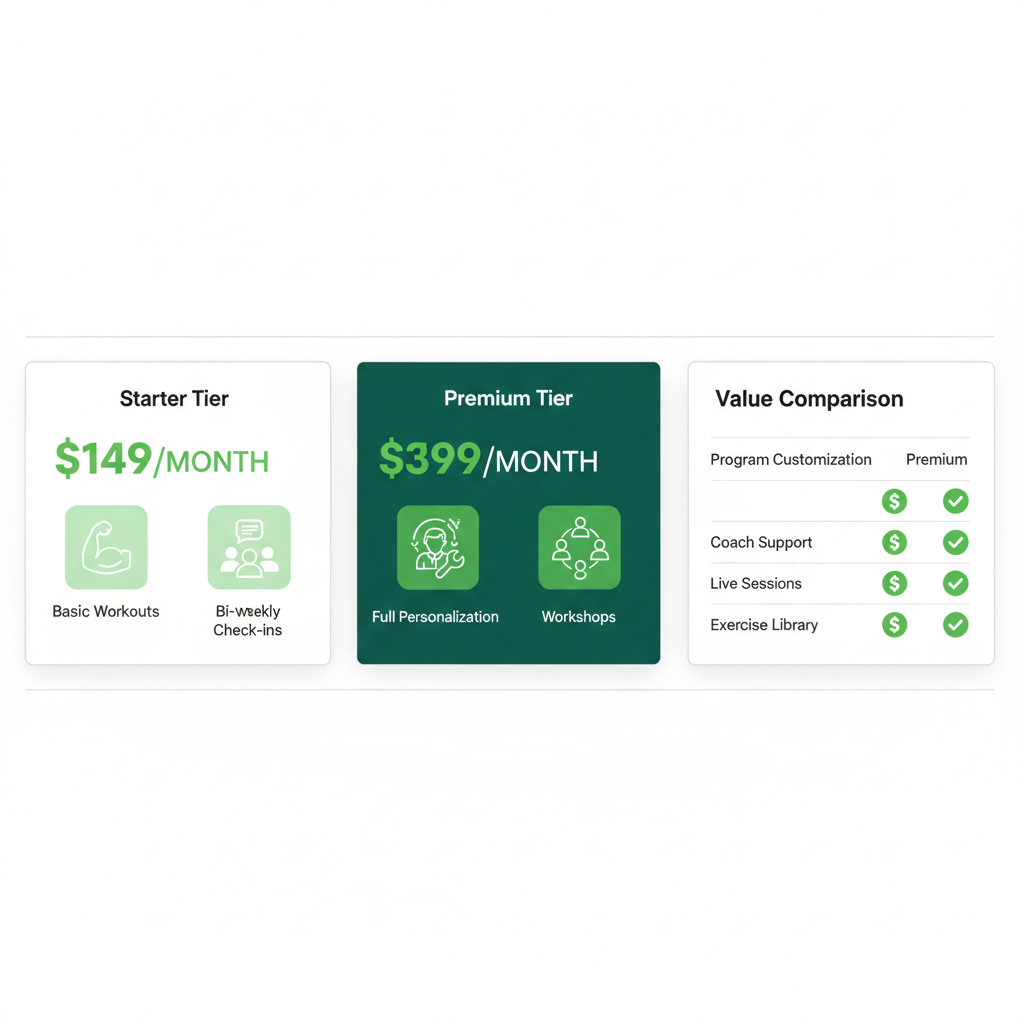
Pricing breakdown for starter and premium women’s postpartum coaching programs
Cost Considerations and Client Success Stories
Hiring an advanced maternal specialist or condition-specific coach in the US typically ranges from $149 to $399 per month, influenced by features like personalization and support frequency. Factors such as session depth and app integration play a role, with NASM benchmarks showing higher tiers justify costs through better outcomes. At Divine Strength, our virtual coaching aligns with these standards, offering Pre & Postpartum Strength Training alongside autoimmune management.
Common Questions About Pre and Postpartum Trainers
How can a pre and postpartum personal trainer help with recovery after birth?
I guide you through phased progressions that rebuild core strength safely, starting with gentle mobility and advancing to functional moves. This science-backed approach helps reclaim your strength post-delivery, reducing injury risk. Remember to consult your healthcare provider before starting.
Is a prenatal personal trainer right for first-time moms?
Absolutely–as your prenatal personal trainer, I offer tailored education on body changes and safe exercises to build endurance. It’s empowering for first-timers navigating pregnancy, ensuring you train with intelligence and feel supported.
What about online postpartum personal trainer options in the US?
Virtual sessions work wonderfully; I deliver personalized app-based postpartum personal trainer programs nationwide. You’ll get weekly check-ins and adjustments, proving online coaching is effective for busy moms everywhere in the US.
What do reviews say about top postpartum personal trainers?
Clients rave about regaining energy and confidence, with many sharing success stories of sustainable progress. For exercise ideas, check my workout plans for women.
Empowering Your Journey with Pre and Postpartum Training
As you conclude this guide on working with a pre and postpartum personal trainer, embrace the benefits of tailored strength training that supports recovery and vitality. Structured prenatal personal trainer sessions build a strong foundation, while postpartum personal trainer guidance aids safe return to activity, all backed by ACSM-endorsed guidelines for improved well-being and reduced fatigue.
I’m thrilled about your path ahead – reclaim your strength with science-backed coaching. Reach out to Divine Strength & Conditioning through our website to begin personalized onboarding today; consult your healthcare provider first, and know you’re never in this alone.